
5 steps to creating a board succession plan
Creating a board succession plan can often feel overwhelming, but following our 5 steps could make the process much more manageable.
2. It’s everybody’s job
An effective board finds ways to challenge the status quo and work together towards solutions constructively.
This isn’t only true of issues directly facing the organisation you are governing but extends to succession planning for every board member.
Board members should actively support the recruitment process by contacting potential candidates and sharing communications about vacancies in their networks alongside the recruitment process. An inviting and comprehensive role spec will ensure clarity on all the roles for all trustee positions, not just the Chair.
If you are recruiting externally, offer board shadowing so that candidates can experience the board culture and get a feel for the people and the organisation.
3. Focus on different
Diversity and inclusion are paramount to succession planning.
But diversity stems beyond ethnicity, gender, and sexuality. Welcoming younger people to your board is another way to increase diversity, and it can be a powerful first step in your longer-term succession planning.
You may also consider a co-chair model for your board. Co-chairing allows for two individuals with complementary skills to share the time commitment. It also allows someone to consider their first chair role alongside a more experienced Chair, which can effectively facilitate their rapid development.
Don’t be too prescriptive in the skills you seek for a new Chair. In some cases, if the culture supports it, there can be huge value in someone passionate about your cause who will be a proactive ambassador for your work, developing whilst in the role. Read more advice on recruiting your charity chair here.
Engaging with people from different sectors and fields of experience is also valuable. Diversity of thought can allow for greater objectivity and a more creative way of framing and solving problems. Always aim to add new perspectives; don’t perpetuate what you already have.
4. Manage the handover
Taking control of the succession planning means that the outgoing board members, particularly Chairs or Treasurers, can plan time for the handover and, in particular, introduce partners, stakeholders and networks. This shows solidarity and lends legitimacy to the new person, which may be important if hiring a younger person or changing to a co-chair model.
For a Chair role, one of the most important relationships your new Chair will have is with the CEO. This relationship needs to be nurtured and developed during the selection process and then throughout the induction process. Boundaries need to be established, with open lines of communication and a clear understanding of the time commitment and how each person fulfils their role. Planning this carefully will set the relationship up on the right footing.
Remember that endings are just as important as beginnings. Take the time to recognise the achievements of the outgoing board member. Celebrate them publicly – it’s another opportunity to showcase the message of your organisation and the work your board does and to inspire future potential board members.
5. Nurture future leaders
If your articles of association allow for a board member to become a Chair, here are a few ideas to help develop your board members into a board leadership role:
- Ensure that board members have the opportunity to experience chairing an agenda item at a meeting or can chair a sub-group to build their confidence and experience.
- Schedule regular one-to-one sessions with all board members to discuss progression and their aspirations. This helps to plan for their development and provides both training and opportunities to gain experience over their entire tenure.
Important decisions take careful consideration, time and planning, and this most certainly applies to board succession. Take the time to plan, consider what is important to you and use the wealth of experience and knowledge surrounding you within the members of the board. Be proactive in planning with your board — the sooner you put a plan into place, the clearer the path ahead, allowing you to recruit the right people, with the right skills, at the right time.
Category:Board Recruitment & Development

Written by
Jennifer Horan
Head of Board Appointments
With three degrees, Jennifer thrives on challenges, especially when supporting boards in finding their balance. As a trustee and board recruitment consultant, she ensures every board is diverse, inclusive, and committed to making an impact.
For trustee and chair recruitment, Jennifer specializes in governance across charities, non-profits, and INGOs, championing neurodiversity in recruitment. She supports charities in accessing diverse talent, transforming boards, and boosting effectiveness. From multi-year trustee campaigns to building boards from scratch, her partnerships ensure sustainable governance, strategic succession planning, and significant impact.
Jennifer appoints inclusive, innovative, creative, and resilient leaders enabling organizations to flourish toward equity, sustainability, and high impact.
She has led searches for specialist trustees including finance roles, treasurers, and clinicians, with expertise in recruiting individuals with lived experience—autistic people, blind people, people who stammer, disabled people, and single parents—as well as niche professionals such as economists, conservationists, and neurologists.
Outside the boardroom, Jennifer enjoys reading, practices daily meditation and breathwork, and spends time with her two British Blue Shorthairs. As an Irish woman with roots in Limerick School of Music Orchestra and a background in Sean-Nós singing, she aspires to become a Kirtan session leader.
Related articles

How to get CEO and Chair succession planning right
Read further
Guidance for your first chair role
Read further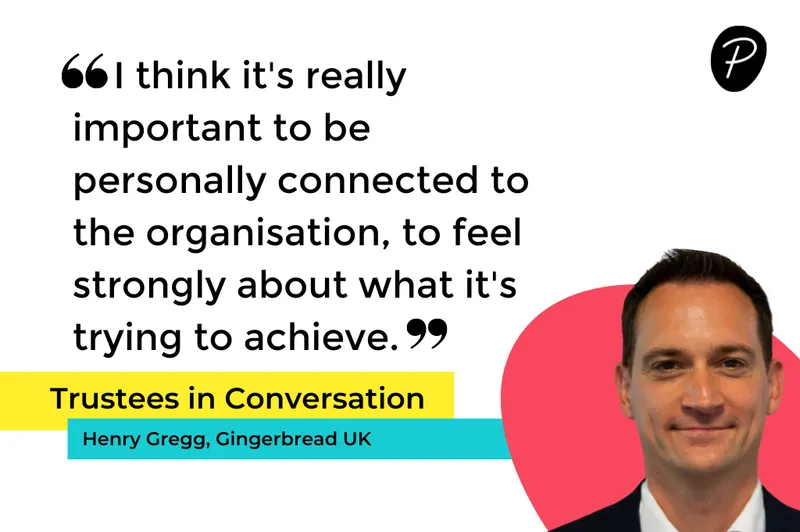
Trustees in Conversation: Henry Gregg
Read further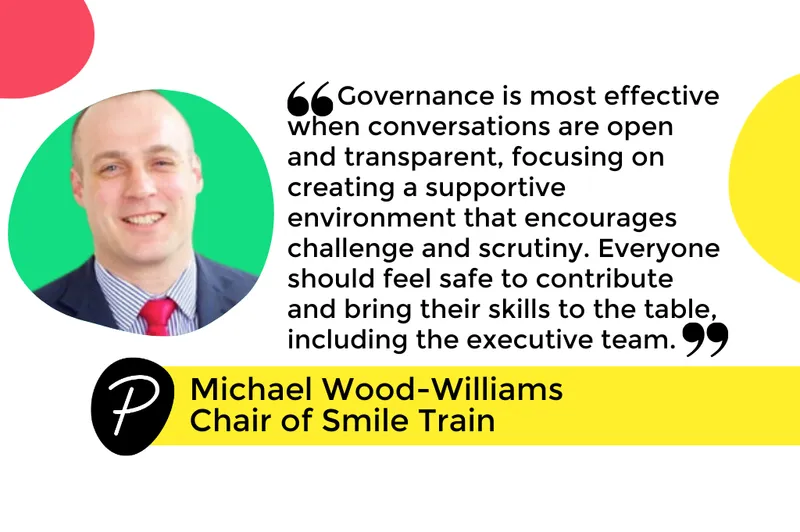
Chairs in Conversation: Michael Wood-Williams
Read further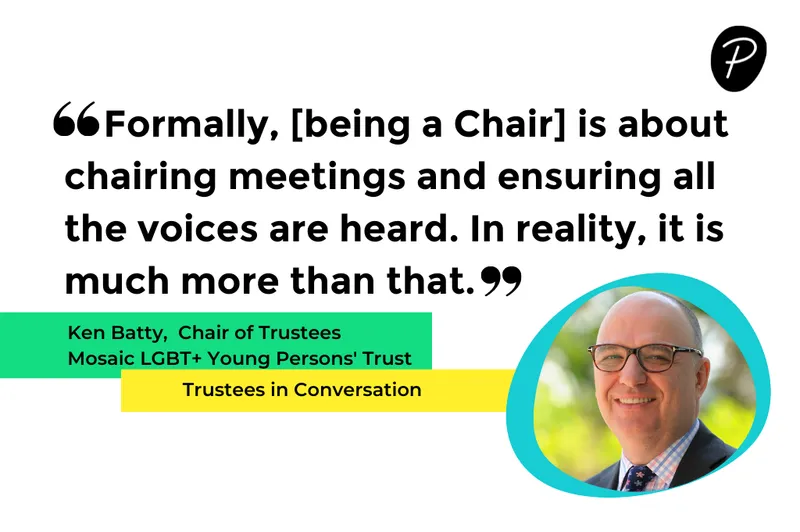
Chairs in Conversation: Ken Batty
Read further
Trustees in Conversation: Ian Adams
Read further
Seeking diversity with new trustees: how to recruit for diverse boards?
Read further
How chairs and chief executives navigate challenge together
Read further
How to chair a board well: what effective boards and chairs do differently
Read further
What is values-based recruitment and how does it lead to better hires?
Read further
What makes an effective MAT trustee?
Read further