
Co-Chairing Boards: Challenges and benefits of sharing leadership
Co-chairing boards is on the rise. Understand the pros and cons, and how to lead more effectively through shared responsibility.
What are the benefits of co-chairing?
While the above are certainly issues to be wary of, co-chairing can also have many benefits.
Diverse Perspectives
Boards need to reflect the communities they serve, not just in demographics, but in experience, thinking and lived reality.
Co-chairing brings two sets of eyes to complex decisions, enabling your board to better challenge assumptions, uncover blind spots and lead to more balanced, inclusive strategies.
When your co-chairs listen in different ways and ask different questions, your board is more likely to act with empathy, relevance and depth, especially in conversations about community needs or lived experience.
Shared responsibility and accountability
Chairing a board comes with pressure, especially for people balancing work, family, or other voluntary commitments. Co-chairing spreads that pressure and helps prevent burnout.
This allows each person to leverage their strengths. One might focus on external engagement, while the other supports internal governance. Together, they can share the load and make more consistent contributions.
You’re also likely to attract a broader pool of candidates. People who may have ruled out the Chair role as too much can now bring their experience and skills to the board in a way that feels more sustainable.
Strong co-chairing relationships also encourage healthy challenge and better decision-making. When two leaders trust each other enough to disagree and still move forward, it leads to clearer thinking and stronger outcomes.
Better decision-making
Co-chairing provides boards with access to broader perspectives. With two leaders contributing different experiences and perspectives, decisions are tested more thoroughly, reducing bias and helping to avoid groupthink, especially under pressure.
Shared leadership also builds in challenge. Co-chairs can question assumptions, raise concerns early and develop stronger decisions through constructive disagreement, while staying focused on your service users and beneficiaries…. and that’s really what it’s all about!
In times of crisis, co-chairing offers stability. With shared leadership in place, decisions can be made swiftly and with care, even in fast-moving situations. That continuity helps the board stay responsive and resilient during periods of uncertainty or change.
Continuity, resilience and succession planning
A co-chairing model helps boards maintain leadership continuity. If one chair steps away, whether temporarily or permanently, the other can maintain stability, reducing disruption and helping the board stay on course.
Losing a chair mid-term can slow momentum while the board searches for a replacement. Co-chairing creates a more natural transfer of knowledge, as each leader shares responsibility and learns from the other over time.
It also supports stronger succession planning, allowing future leaders to develop within their role, build confidence and gain insight before taking on full responsibility. When recruitment includes someone who understands the organisation, it strengthens continuity and increases the chances of finding the right successor(s).
Boards that plan for leadership transitions are more resilient, and co-chairing provides the structure to do so effectively.
To work well, co-chairing should be supported by clear governance documents.
Terms of reference, standing orders or role descriptions should outline how responsibilities are shared, how decisions are made and what happens if one chair steps down.
Boards that plan for leadership transitions are more resilient, and co-chairing gives you the structure to do that well.
Category:Board Recruitment & Development

Written by
Marie McQuade
Director | Charities
She recruits specialist trustees from all backgrounds and specialises in recruiting boards that exceed. Every client she has ever worked with has recommended Marie to others, recruited more candidates than anticipated from her, and come back to work with her again.
She has three decades of experience as a leader working across health, housing and social justice in the UK and globally.
After volunteering as a graduate for an INGO in India, she embarked upon a career in the charity sector and grew her passion for creating positive change. Marie brings this passion to Peridot, where she prioritises recruiting exceptional leadership because she believes good governance transforms organisations and the lives of their beneficiaries.
Marie also runs board audits, inductions and training and works with organisations from across the UK and Europe. She has a post-graduate qualification in Organisational Development.
She has been a board and committee member, a mentor for a care-experienced young person, a street worker for homeless people and a counsellor for women and girls.
Outside of her professional life, Marie is completing a Creative PhD at Queens University, practising Zen, and parenting three teenage girls (and a cocker spaniel!). She enjoys spending time outdoors, walking, running, and swimming, as well as travelling, reading, watching films, visiting art galleries, and eating fine food.
Related articles

How chairs and chief executives navigate challenge together
Read further
How to chair a board well: what effective boards and chairs do differently
Read further
Why becoming a charity chair could be the most rewarding move in your career
Read further
Philanthropy on boards: the importance of trustees and campaign board chairs
Read further
How to recruit a charity Chair
Read further
Co-Chairing Boards: What’s expected of modern Chairs?
Read further
Co-Chairing Boards: Changes in the Charity Landscape
Read further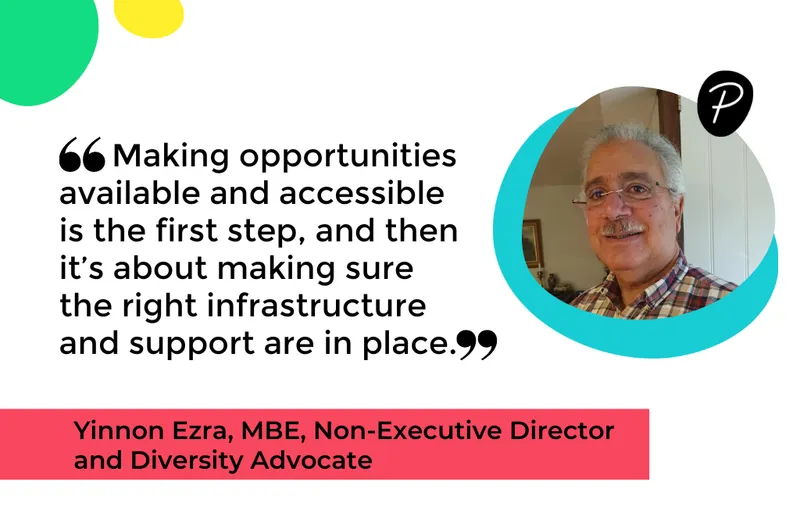
Chairs in Conversation: Yinnon Ezra MBE
Read further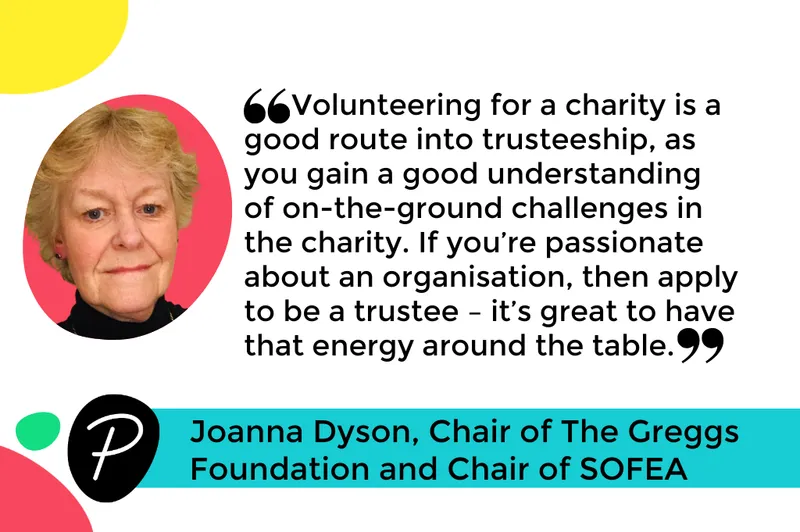
Chairs in Conversation: Joanna Dyson
Read further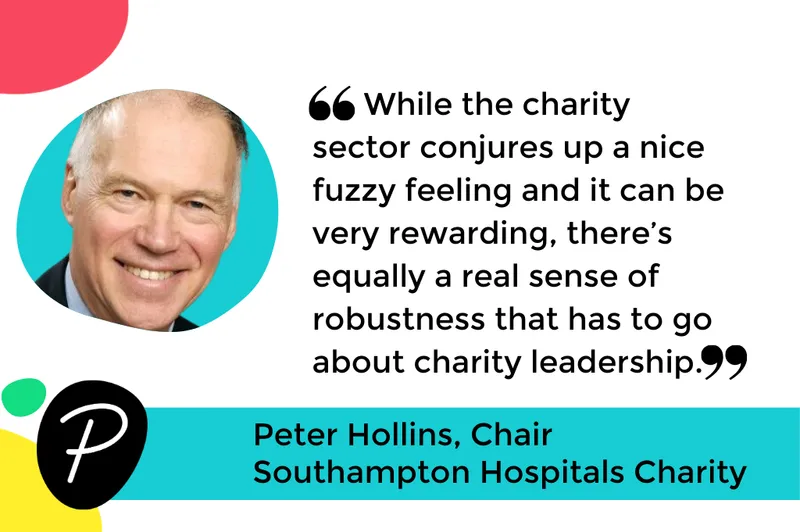
Chairs in Conversation: Peter Hollins
Read further
What are the qualities of an effective charity chair?
Read further