
Why charities are turning to youth boards
Youth boards are becoming more common in governance. We explores why and what organisations need to get right for them to work.
When we talk about governance that reflects the communities we serve, it comes down to voice. Who is shaping strategy, whose perspective is influencing decisions and who is being heard in the room?
For many organisations, young people are still missing from that.
Young trustees, youth boards or youth advisory boards are one way for those voices to influence decision-making.
In simple terms, a youth advisory board is a group of young people working alongside an organisation to influence its work and direction. Sometimes that’s through formal trustee roles, sometimes through advisory groups that meet regularly to share insight, challenge thinking and work more directly with staff and boards.
Where youth boards add value
When they’re set up well, youth boards can change how organisations think and make decisions.
1. Relevance and insight
Young people are experiencing many of the changes organisations are trying to respond to in real time, whether that’s how they engage online, move through education or enter the workforce.
That perspective brings a different kind of insight into the room, shaping how boards understand risk, how they interpret public sentiment and how they think about the people they are there to serve.
This isn’t about assuming younger voices are more innovative. It’s about bringing in perspectives that might otherwise be missing, leading to different questions being asked and, in turn, different decisions.
2. More inclusive governance
If we are serious about equity and inclusion, governance must reflect the communities we exist to serve. But this can only happen if those voices are actually part of it.
Many young people are excluded from traditional trustee pathways, but youth boards offer an alternative route. They bring people into governance earlier, often before they would be considered for formal board roles, and can change how organisations approach governance.
Dedicated youth boards can help us challenge outdated assumptions and invite future leaders into the conversation earlier, widening access to governance experience.
3. Stronger decision-making
Constructive challenge plays a real role in how decisions get made. Youth board members and young trustees often ask questions that cut through complexity.
They can identify when language feels inaccessible, when engagement risks being performative, or when strategies overlook real-world implications.
4. Leadership development and long-term success
Youth boards also act as developmental spaces for young people to build governance knowledge, strategic thinking and confidence.
This has a longer-term impact for charities thinking about sustainability. You are cultivating future trustees and sector leaders who understand your social purpose from the inside, focusing not just on a single appointment but on how organisations develop leadership over time.
Where it gets harder
1. Representation without real influence
Without real influence, a youth board is simply symbolic.
You can ask for input, run sessions and involve them in discussions, but if nothing changes as a result, it becomes clear quite quickly.
Young people are perceptive; they will know when their role lacks substance. They will see this as a lack of authenticity and lose trust in the organisation.
2. Lack of clarity
Without a clear remit, reporting lines and feedback loops, youth boards can lose their focus and purpose. Are they advisory, decision-making, or project-based? Ambiguity leads to frustration for both young members and trustees.
Clear structure helps. People need to understand the role, how it connects to decision-making and what happens next.
3. Emotional and practical burden
Young people often bring lived experience that connects directly to an organisation’s work. Asking them to revisit difficult themes without the right support can be emotionally taxing.
Similarly, unpaid governance roles may exclude those who cannot afford to volunteer their time. If we care about equity and inclusion, access, mentoring, flexibility and safeguarding need to be thought through carefully.
Thinking about access properly is part of safe recruitment and responsible governance.
4. Resistance within the board
Intergenerational governance requires humility on all sides. Established trustees may feel challenged by new perspectives, and younger members can find formal board culture slightly intimidating.
Without intentional relationship-building, misunderstandings can grow. Building quality relationships and trust requires effort and openness.
Are boards ready for intergenerational leadership?
Embedding youth representation is a positive step, but it takes real commitment. To be meaningful, it requires intention and care: clear roles, genuine influence, ongoing support and respectful space for challenge, not just consultation.
When that’s in place, youth boards and young trustees become part of how governance works, shaping decisions rather than sitting alongside them.
Introducing a youth board is an effective way to show who you listen to, how you share influence and how you bring different perspectives into your decision-making.
Category:Board Recruitment & Development

Written by
Marie McQuade
Director | Charities
She recruits specialist trustees from all backgrounds and specialises in recruiting boards that exceed. Every client she has ever worked with has recommended Marie to others, recruited more candidates than anticipated from her, and come back to work with her again.
She has three decades of experience as a leader working across health, housing and social justice in the UK and globally.
After volunteering as a graduate for an INGO in India, she embarked upon a career in the charity sector and grew her passion for creating positive change. Marie brings this passion to Peridot, where she prioritises recruiting exceptional leadership because she believes good governance transforms organisations and the lives of their beneficiaries.
Marie also runs board audits, inductions and training and works with organisations from across the UK and Europe. She has a post-graduate qualification in Organisational Development.
She has been a board and committee member, a mentor for a care-experienced young person, a street worker for homeless people and a counsellor for women and girls.
Outside of her professional life, Marie is completing a Creative PhD at Queens University, practising Zen, and parenting three teenage girls (and a cocker spaniel!). She enjoys spending time outdoors, walking, running, and swimming, as well as travelling, reading, watching films, visiting art galleries, and eating fine food.
Related articles

How to chair a board well: what effective boards and chairs do differently
Read further
Why becoming a charity chair could be the most rewarding move in your career
Read further
Philanthropy on boards: the importance of trustees and campaign board chairs
Read further
How to recruit a charity Chair
Read further
Co-Chairing Boards: Challenges and benefits of sharing leadership
Read further
Co-Chairing Boards: What’s expected of modern Chairs?
Read further
Co-Chairing Boards: Changes in the Charity Landscape
Read further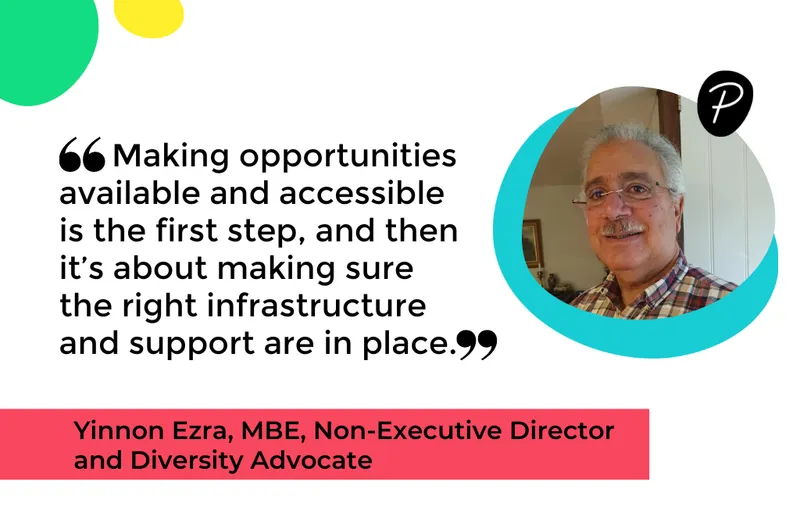
Chairs in Conversation: Yinnon Ezra MBE
Read further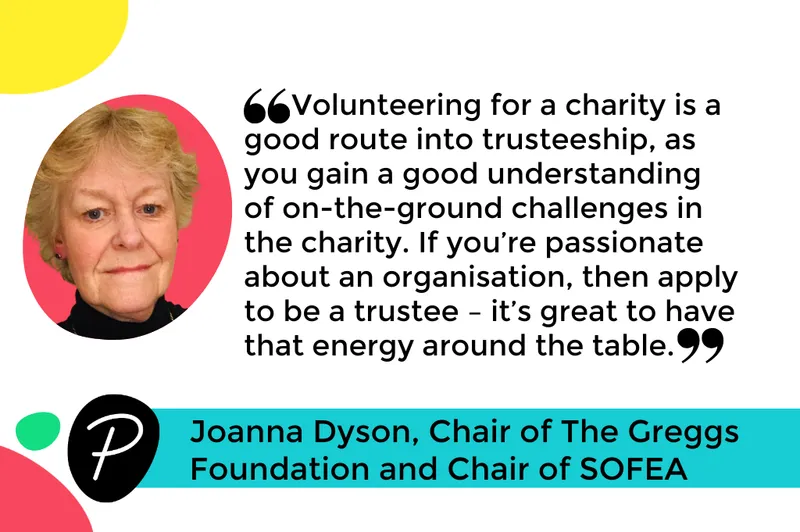
Chairs in Conversation: Joanna Dyson
Read further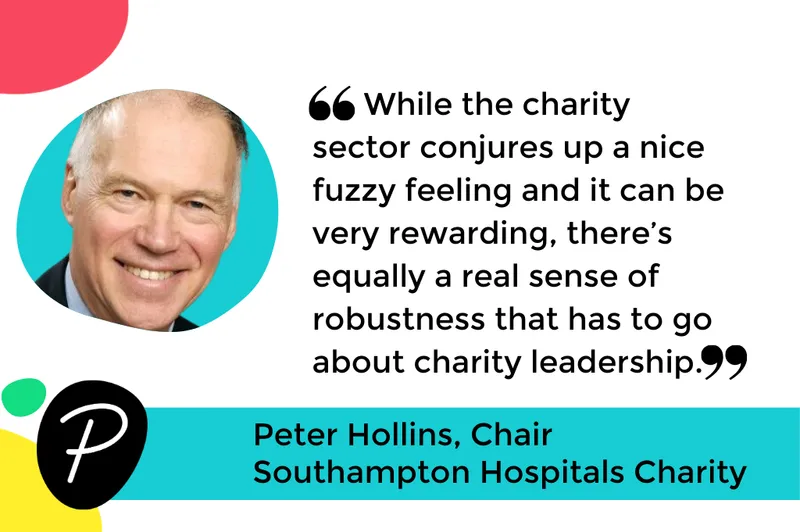
Chairs in Conversation: Peter Hollins
Read further
What are the qualities of an effective charity chair?
Read further