How strategic grant-making is evolving in a challenging funding environment
Discover how strategic grant-making is evolving as foundations respond to growing demand, focusing on impact, collaboration, organisational resilience and long-term change.
Demand for funding continues to grow across the charitable sector, meaning that grant-making foundations are facing difficult choices. The challenge is no longer identifying worthwhile causes to support, but deciding where limited funding, time and influence can make the greatest difference.
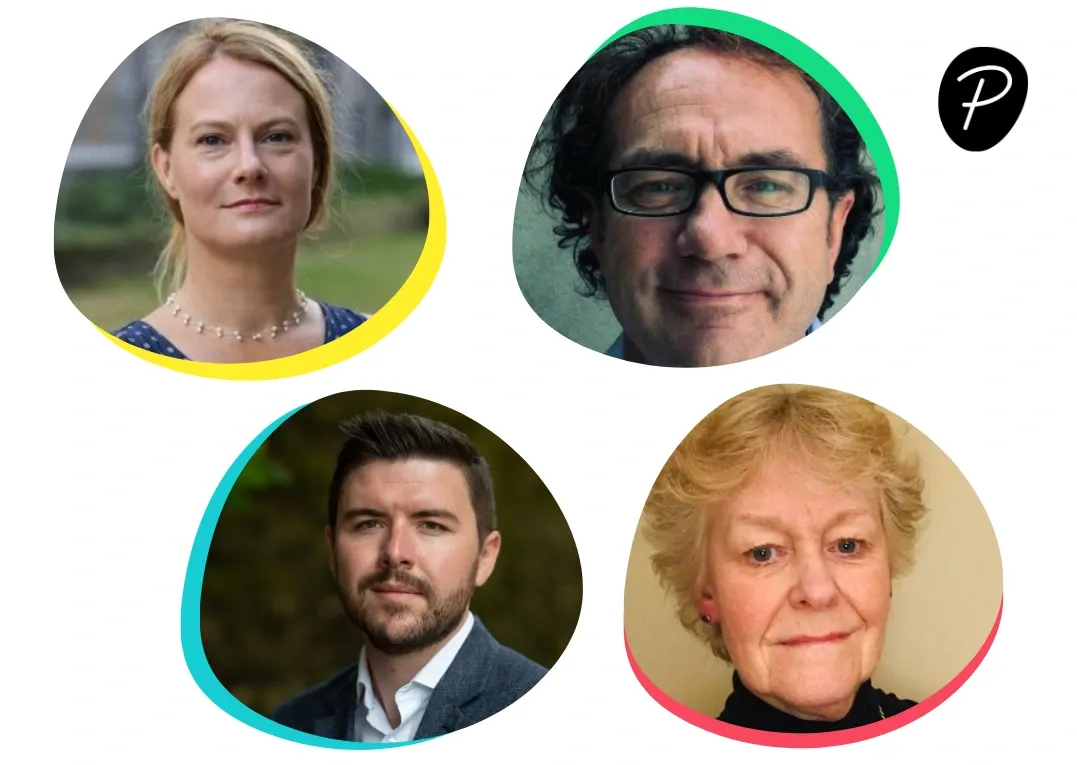
We recently explored these questions with Joanna Dyson OBE, Chair of Greggs Foundation; Stella Atherstone, COO of the Veterans Foundation; Paul Gillespie, Trustee of the Dr. Martens Foundation; and James Fletcher, Chair of KFC Youth Foundation and Trustee of John Lewis Partnership Foundation.
Strategy starts with deciding where you can make the biggest difference
Growing demand means foundations cannot respond to every need. Each speaker described becoming more deliberate about the problems they are best placed to address and the outcomes they want to achieve.
Paul Gillespie explained how the Dr. Martens Foundation has narrowed its focus:
“We’ve had to streamline our focus. Rather than a wide range of big issues we’ve been thinking about, we’ve had to focus on four core themes.”
For the Greggs Foundation, hardship funding had grown rapidly following COVID. The Foundation recognised that while emergency support remained essential, it also wanted to strengthen its contribution to longer-term preventative work.
Jo Dyson reflected:
“When we reflected on what our mission was and vision to create sustainable communities, we felt we were doing a lot of emergency, immediate relief, reactive giving and support. And really, were we doing enough in the preventative longer term?”
They created the Innovation Fund, enabling the Foundation to test place-based partnerships and explore different ways to create lasting change, without taking resources away from its existing grant programmes.
Who is involved in funding decisions matters too. James Fletcher described how the KFC Youth Foundation directly involves young people in grant-making decisions:
“If we wanted an efficient charity, we probably would say, well, we’re just going to let the executive team of the foundation and the trustees make a decision. But we think it’s really important that we put that effort into getting young people to be involved in the decision-making.”
Understanding impact means looking beyond activity
Foundations are increasingly asking not just how grants have been spent, but what difference they’ve made.
For larger strategic grants, Paul Gillespie described developing impact frameworks collaboratively with funded organisations rather than imposing reporting requirements. The Dr. Martens Foundation now works with grant recipients to agree on what meaningful impact looks like from the outset. As Paul explained:
“Let’s co-create how we’re going to develop those frameworks. We’re not going to say, ‘This is what you need to measure.’ We’re sitting down with them in a participatory way and saying, ‘Let’s work this through and work out how we can really create change together.”
Every organisation measures success differently, so foundations and charities need to agree on what success looks like before deciding how to measure it.
Reporting also needs to reflect the size of the grant and the organisation receiving it. Smaller charities often don’t have dedicated impact or evaluation teams, so the aim is to learn what works without creating more paperwork.
Strong organisations create a stronger impact
Stella Atherstone described how sustainable impact depends on organisational strength as much as individual projects:
“We predominantly fund at grassroots level, and one of the challenges is that we’re a funder of the ‘non-sexy stuff’. We do a lot of chairs, tables, laptops and people’s salaries. All of these things are incredibly important in delivering services to beneficiaries, but they’re not always the first choice for other funders.”
Many charities recognise that project funding is often easier to secure than investment in people, systems and expertise, even though these are the things that keep an organisation running.
The Veterans Foundation shared an example of supporting a charity that was delivering valuable work but faced closure due to a lack of expertise in securing funding elsewhere.
Rather than simply providing another grant, Stella explained how they helped build longer-term financial resilience:
“We felt they were doing incredibly important work, but they didn’t have the in-house expertise to go out and secure other sources of funding. So we provided an additional restricted grant to bring in a consultant who could help them develop funding applications and strengthen their long-term sustainability.”
Strategic grant-making increasingly considers whether funding strengthens organisations themselves, helping them continue delivering impact beyond a single grant.
Joanna Dyson reflected on how foundations also need to think about the resilience of the organisations they fund:
“As with any income strategy in a charity, business or investment portfolio, you want to spread your risk. The more dependent you are on one organisation, the greater the risk that something changes, and you can’t respond.”
Collaboration is becoming part of the strategy
Many of the issues foundations are trying to address are too large for one organisation to solve alone. Collaboration becomes one way to increase impact when resources are limited.
The Greggs Foundation’s place-based work in Sunderland brings together partners from education, local government, business and the voluntary sector around shared priorities, while the Veterans Foundation encourages larger grant recipients to work alongside smaller charities, sharing expertise and organisational capability.
Collaboration is becoming less about goodwill and more about creating the conditions for lasting, systemic change.
Grant-makers’ roles are changing
Demand for funding continues to outpace available resources, and foundations are becoming more deliberate about where they can make the greatest contribution. They’re investing in stronger organisations and building partnerships that extend their reach. They’re also making clearer choices about where limited funding, time and influence can have the greatest effect.
For foundation boards, those choices are shaping conversations about strategy, governance and leadership, alongside decisions about what gets funded and how success is defined.
James Fletcher suggests that the sector is facing an opportunity:
“I think that there is clearly a need for our sector to come together to work on how we make it easier, not only for applicants, but also for grant-makers to really show that they can make an impact with the resources that we have.”
Category:Board Recruitment & Development
Written by
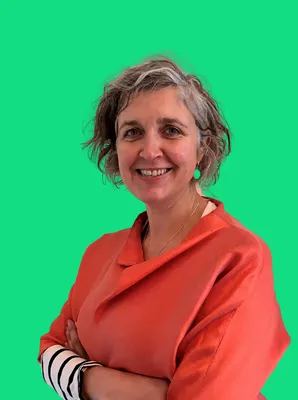
Marie McQuade
Director | Charities
She recruits specialist trustees from all backgrounds and specialises in recruiting boards that exceed. Every client she has ever worked with has recommended Marie to others, recruited more candidates than anticipated from her, and come back to work with her again.
She has three decades of experience as a leader working across health, housing and social justice in the UK and globally.
After volunteering as a graduate for an INGO in India, she embarked upon a career in the charity sector and grew her passion for creating positive change. Marie brings this passion to Peridot, where she prioritises recruiting exceptional leadership because she believes good governance transforms organisations and the lives of their beneficiaries.
Marie also runs board audits, inductions and training and works with organisations from across the UK and Europe. She has a post-graduate qualification in Organisational Development.
She has been a board and committee member, a mentor for a care-experienced young person, a street worker for homeless people and a counsellor for women and girls.
Outside of her professional life, Marie is completing a Creative PhD at Queens University, practising Zen, and parenting three teenage girls (and a cocker spaniel!). She enjoys spending time outdoors, walking, running, and swimming, as well as travelling, reading, watching films, visiting art galleries, and eating fine food.
Related articles

How to chair a board well: what effective boards and chairs do differently
Read further
Why becoming a charity chair could be the most rewarding move in your career
Read further
Philanthropy on boards: the importance of trustees and campaign board chairs
Read further
How to recruit a charity Chair
Read further
Co-Chairing Boards: Challenges and benefits of sharing leadership
Read further
Co-Chairing Boards: What’s expected of modern Chairs?
Read further
Co-Chairing Boards: Changes in the Charity Landscape
Read further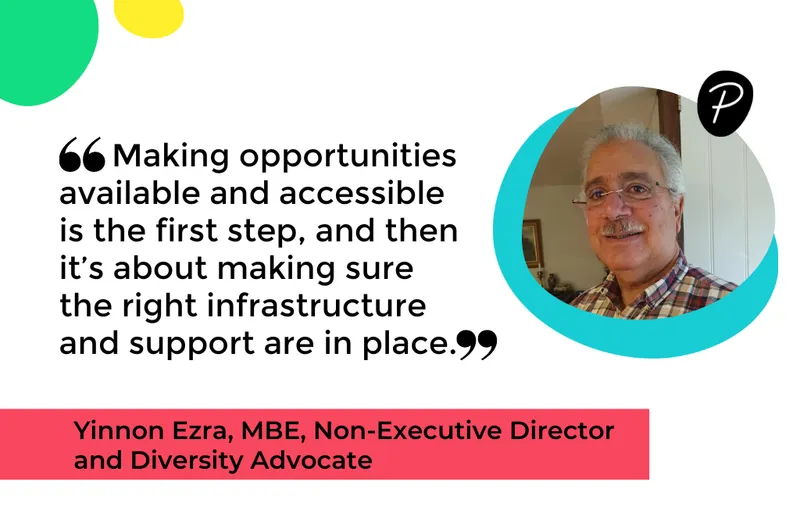
Chairs in Conversation: Yinnon Ezra MBE
Read further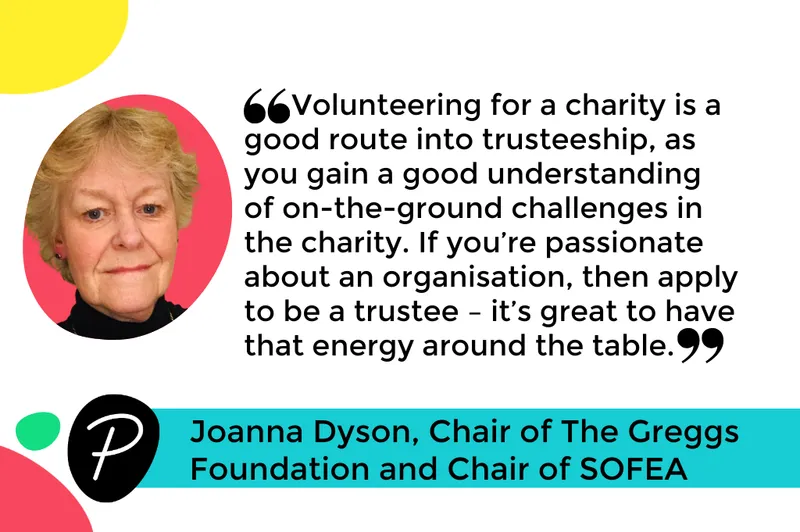
Chairs in Conversation: Joanna Dyson
Read further
Chairs in Conversation: Peter Hollins
Read further
What are the qualities of an effective charity chair?
Read further