
Guidance for your first chair role
Are you looking for guidance for your first chair role? It can be daunting, so we sat down with several chairs from UK charities to get their advice.
Draw on your board experiences and actively use your networks.
It is important that you gain experience on a board before becoming a chair. Ideally, you will work with a variety of chairs to benefit from seeing other chairs in action. You can emulate behaviours and practices that you admire and avoid the ones you don’t.
A professional mentor is an excellent asset at every point in your career. You can join several official networking programmes, and an extensive network comes with the benefits of having a range of casual mentors on tap. Do you ask for their support often enough?
If you are new to chairing, can you find or instigate a co-chair arrangement where you can work with a more experienced chair? They will help you grow into the role and appreciate your circumstances more than an external mentor.
Get the governance right, then focus on performance.
As a chair, there are clear legal and statutory responsibilities as well as leadership responsibilities.
You should come to the role with a level of leadership experience and understanding of how organisations run, as well as practical knowledge and experience of good governance in action.
Good governance provides a solid foundation, but having a compliant organisation is only half the job!
Learning to facilitate high performance in others is the key to being an effective chair. The magic ingredient is soft skills. Much of being a chair is about enabling others to perform, whether it be your board members or chief executive.
You must also be adept at running effective meetings, whether 1:1, a working group or a full board meeting. This means using soft skills to manage a range of personalities cohesively and inclusively.
Ensure you have everything to support your personal development as a chair and regularly reflect on your performance and skills gaps.
Keeping up with change.
Boards have a life cycle and the requirements for the role change over time. Similarly, the support you need will change with the needs of the board throughout this life cycle —sometimes your focus is more on motivating or developing the people on the board and other times it is focusing on your relationship with the CEO. As with all leadership roles, you need a broad skillset, and you must keep up with changes both within the organisation and in the wider governance and charity landscape.
Proactively ask for feedback.
Seek feedback from the rest of the board, the CEO and other stakeholders on what is going well and what’s not. It is critical to foster a culture of openness where people can speak up and voice their thoughts and feelings regularly.
Take the time to schedule more formal annual appraisals based on 360-degree feedback and create spaces so that feedback is also continual and embedded in the culture.
Dr Stephen Ladyman, Chair of the National Autistic Society, recounts a time when his expressive face caused a misunderstanding with a fellow board member. He wasn’t aware that his facial expressions conveyed the message that he wanted his board members to stop talking when he was trying to encourage them to expand on their thoughts. He never would have known without a culture of open, honest and continuous feedback.
Don’t let trustees underperform.
Volunteer trustees have committed their time, yet sometimes they may not fully meet the expected commitment. Understanding why is important, so be kind, listen and support where possible.
At the same time, be cognisant of the charity’s governance needs and the high standards they carry. If people on your board cannot deliver consistently, then conversations must be had to resolve the situation.
Be kind to yourself.
Finally, be kind to yourself. You don’t know what you don’t know. As long as you seek out information, understand the organisation and environment you’re operating in, and commit to your role as chair, you can impact the causes you care about. Being a chair is not about how much you know; it’s about how well you get others to engage and perform for the good of the charity and its objectives.
Category:Board Recruitment & Development

Written by
Jennifer Horan
Head of Board Appointments
With three degrees, Jennifer thrives on challenges, especially when supporting boards in finding their balance. As a trustee and board recruitment consultant, she ensures every board is diverse, inclusive, and committed to making an impact.
For trustee and chair recruitment, Jennifer specializes in governance across charities, non-profits, and INGOs, championing neurodiversity in recruitment. She supports charities in accessing diverse talent, transforming boards, and boosting effectiveness. From multi-year trustee campaigns to building boards from scratch, her partnerships ensure sustainable governance, strategic succession planning, and significant impact.
Jennifer appoints inclusive, innovative, creative, and resilient leaders enabling organizations to flourish toward equity, sustainability, and high impact.
She has led searches for specialist trustees including finance roles, treasurers, and clinicians, with expertise in recruiting individuals with lived experience—autistic people, blind people, people who stammer, disabled people, and single parents—as well as niche professionals such as economists, conservationists, and neurologists.
Outside the boardroom, Jennifer enjoys reading, practices daily meditation and breathwork, and spends time with her two British Blue Shorthairs. As an Irish woman with roots in Limerick School of Music Orchestra and a background in Sean-Nós singing, she aspires to become a Kirtan session leader.
Related articles

How to get CEO and Chair succession planning right
Read further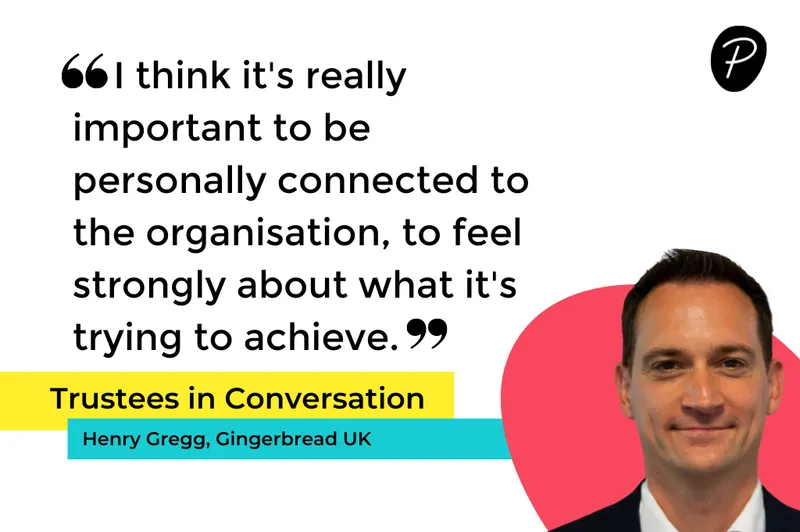
Trustees in Conversation: Henry Gregg
Read further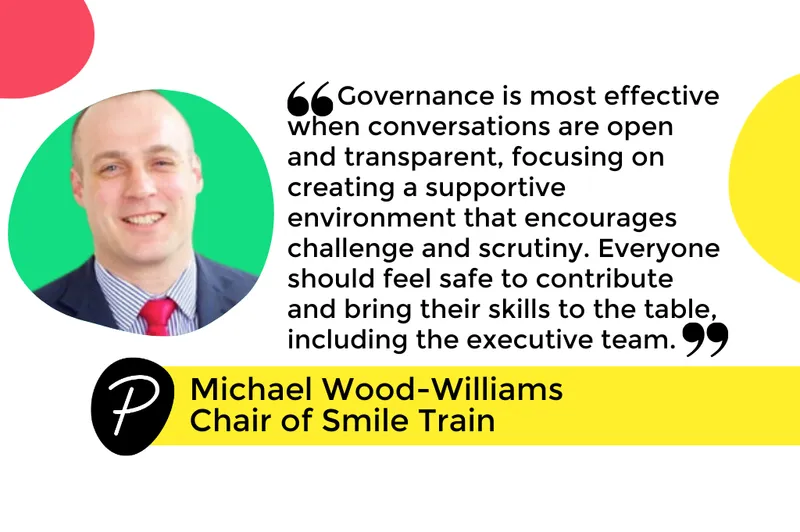
Chairs in Conversation: Michael Wood-Williams
Read further
5 steps to creating a board succession plan
Read further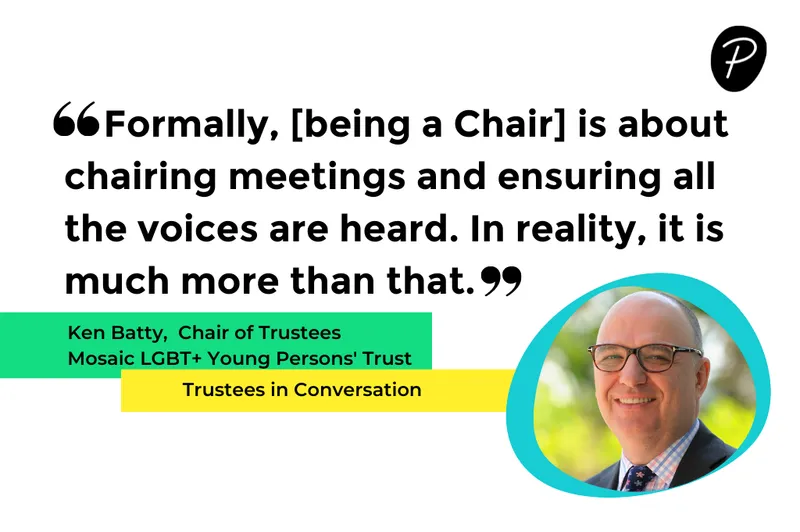
Chairs in Conversation: Ken Batty
Read further
Trustees in Conversation: Ian Adams
Read further
Seeking diversity with new trustees: how to recruit for diverse boards?
Read further
How chairs and chief executives navigate challenge together
Read further
How to chair a board well: what effective boards and chairs do differently
Read further
What is values-based recruitment and how does it lead to better hires?
Read further
What makes an effective MAT trustee?
Read further