
Unlocking the power of Development Boards
Development boards help charities with fundraising efforts, particularly creating relationships with major donors. Learn how to make the most of these relationships.
What is a development board?
Development boards help charities with fundraising efforts, particularly creating relationships with philanthropic donors. They are often made up of selected trustees and other stakeholders, but not all members of the development board will necessarily be trustees—this structure differs between charities and will be set out in an organisation’s governing documents.
As they play a key role in fundraising strategies, setting a development board up for success can be a challenge. But taking the time to do it right means it adds value beyond fundraising, supporting strategic direction, opening networks, and ensuring you are maximising the value of the skills and experience on the development board—especially if there are different voices represented.
What value does a development board bring?
Members of your development board should open doors to potential donors and partners who may otherwise be difficult to reach. Through these networks, they bring a unique understanding of engaging high-net-worth individuals and sharing creative fundraising approaches. Acting as ambassadors for the cause, they push charities to think bigger, act more strategically and engage donors more effectively, leading to a direct increase in donations.
Building trust: The foundation of relationships.
Trust is vital in building a healthy relationship between senior fundraising leadership and development board members. Fundraising success often takes time and careful and sustained relationship management. Communicating long-term strategies with your development board is essential to help them buy-in and to ensure their communications with their contacts are consistent with the organisation. Focusing on long-term ideas and impact over immediate financial contributions will often garner more meaningful relationships and help to build trust over time.
Educating members of your development board on what has and hasn’t worked in the past can help them understand what an effective contribution looks like. Expectations need to be clearly laid out, both of your volunteers and of what volunteers can expect from your organisation.
It’s important to remember that these people are volunteering their limited time to help your organisation’s cause. There can be a tendency for development board members to get excited and run away with bold ideas that can be hard to “shut down” if you don’t have the resources to execute them. Ensuring that you’re all on the same page from the beginning can be an effective way to prevent this. This united vision will mean the ideas that you can execute—and execute well—are more likely to be supported by everyone.
Take the time to recognise volunteers for their contributions and commitment to your cause. A well-managed volunteer relationship creates a lasting bond and encourages continued support, both in advocacy and in future donations.
The importance of impact.
When engaging potential donors or volunteers, the conversation should always emphasise purpose, not targets. While fundraising goals are necessary, it’s the impact and the deeper meaning behind the mission that truly inspires action and loyalty. Framing these discussions around purpose rather than targets can lead to more fruitful and productive experiences for all involved. Asking what the big idea is and whether it will be engaging is important. These volunteers want to know the return on their contributions and the impact it had.
A development board is not a governance board.
Governance boards focus on oversight, compliance, and ensuring accountability, while a development board focuses on creative fundraising and outreach efforts. They have less structure and more flexibility to encourage open dialogue, brainstorming, and a comfortable, safe space for new ideas that focus on big-picture goals.
Development boards will often still have a Chair, who sets the tone, keeps the group focused, and ensures the board stays aligned with its fundraising objectives. Without an effective Chair, development boards can often experience mission creep, generating ideas and projects that increase the charity team’s workload without advancing the primary goal of fundraising.
Navigating challenges with enthusiasm.
How do you manage enthusiastic but potentially misaligned development board members?
It’s important to recognise that their enthusiasm comes from a good place. Encouraging open dialogue, allowing ideas to be tested, and fostering a creative environment can lead to innovative solutions.
Their ideas might fail, or they might succeed, but relationships come first. The first idea might never be the right one but build on it and get creative with them.
When encountering a particularly zealous development board member, it can help to restate the organisation’s mission and resources to reset their expectations on what is possible.
How can you attract volunteers to your development board?
Building good relationships is central to attracting experienced volunteers. Instead of making a hard pitch, ask thought-provoking questions. Understand their passions and show them how they align with your organisational missions.
Experienced board members and volunteers are in high demand—they want to feel that their time, connections, and resources are being used purposefully.
Ensure your fundraising team is well-connected with members of your development board and prioritise personalised meetings to provide opportunities to build stronger, tailored and genuine relationships. Particularly if you are targeting commercially-focused people, they may not understand the charity landscape. Be patient with their ideas and make sure they feel certain about the impact they can have.
To summarise, it’s important to ensure development board members align with your organisation’s mission, values, and ethos. In return, build genuine relationships and respect their time and expertise. Effective and motivated development board members will be highly visible ambassadors for your charity, making financial contributions and opening the doors to untapped networks.
Category:Board Recruitment & Development
Related articles

Philanthropy on boards: the importance of trustees and campaign board chairs
Read further
How to prepare for a charity trustee interview
Read further
Young Trustees: the missing voices in charity leadership
Read further
How chairs and chief executives navigate challenge together
Read further
How to chair a board well: what effective boards and chairs do differently
Read further
What is values-based recruitment and how does it lead to better hires?
Read further
What makes an effective MAT trustee?
Read further
Strengthening boards with our trustee recruitment partnership
Read further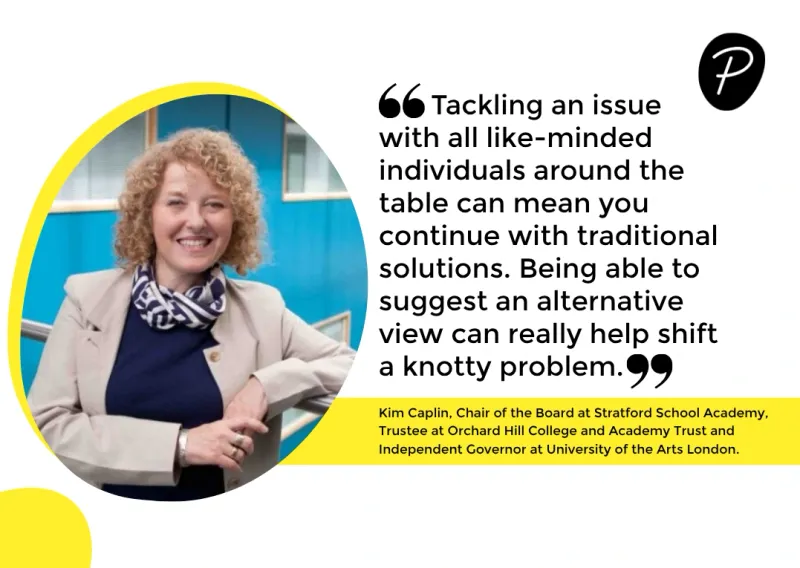
Why cross-sector board appointments strengthen governance: Insights from Kim Caplin’s journey
Read further
I’m thinking about becoming a Further Education Governor – what do I need to know?
Read further
Why cognitive diversity on boards leads to better decisions
Read further