
Using the DRAMMA model for improved mental health and well-being
To mark World Mental Health Day, our latest blog explores how using the DRAMMA model can improve your mental health and well-being.
What is the DRAMMA model?
Kujanpää, Syrek, Lehr, Kinnunen, Reins and deBloom (2020) conducted a longitudinal validation study on the DRAMMA model. The study explored the role of leisure in fulfilling psychological needs crucial for optimal functioning, such as high well-being and low ill-being.
These needs are proposed to enhance psychological well-being when fulfilled during leisure activities. The model integrates previous theories on need satisfaction and recovery, suggesting that leisure activities are pivotal in rejuvenating employees from work strain.
The longitudinal study tracked 279 German employees before, during, and after holidays to examine how the DRAMMA model influenced mental health and well-being at leisure and work. Data was collected through questionnaires measuring need satisfaction and well-being indicators, such as vitality, life satisfaction, and subjective health, as well as ill-being indicators like stress and depressive complaints.
The model focuses on six psychological needs that link leisure time to improved well-being:
- Detachment: mental disengagement from work
- Relaxation: psychobiological unwinding in low-stress environments
- Autonomy: a sense of control over life choices and activities
- Mastery: feeling competent and skilful
- Meaning: experiencing purpose and significance
- Affiliation: emotional connection and close relationships with others
Key findings from the study.
Model validation
Detachment, relaxation, autonomy, and mastery had the strongest positive effects on well-being.
Leisure as a recovery space
The study highlighted the critical role of leisure in satisfying psychological needs and promoting recovery from work-related stress. Employees reported the highest levels of well-being during time off/holidays, with needs like detachment, relaxation, and autonomy being particularly fulfilled during this period.
Work vs. leisure needs
While leisure played a vital role in satisfying psychological needs, the satisfaction of these needs at work was also linked to better well-being outcomes. Employees who could detach from work during their free time or felt mentally in control experienced less stress and higher vitality.
Balanced need satisfaction
The study also explored whether balancing the satisfaction of multiple needs could improve well-being. While relaxation and detachment were strong predictors of well-being, balancing different needs was also important, especially for reducing stress.
The DRAMA model is a valuable framework for understanding how leisure contributes to better overall mental health and well-being at home and, notably, at work. The study emphasises the importance of balancing work and leisure to enhance well-being.
Tips for using the DRAMMA model in everyday life.
In practical terms, we can use the principles of the DRAMMA model in our everyday lives. Here are a few suggestions:
- Detachment: Set a boundary or signal to stop working – shut down all of your devices, wash your hands, change your clothes, or develop a particular ritual, like playing a certain song.
- Relaxation: If you are using a screen or on the telephone all day, step away and do something different – be creative, take a walk, engage in nature or exercise.
- Autonomy: Engage in an activity that allows you to feel you have the power of choice (3-course buffet dinner, anyone?)
- Mastery: Do an activity you feel good about or know you can achieve. (Can you reduce your 5k run time? Or improve your golf handicap?)
- Meaning: Do an activity with a sense of purpose that speaks to your core values — how about volunteering?
- Affiliation: Take the time to really connect with the people around you that love and support you. They are the ones that really matter.
We would love for you to share your top tips! If you, or someone you know is struggling with their mental health, please do reach out.
Further information on organisations that can help is listed below:
Category:Culture and wellbeing
Written by
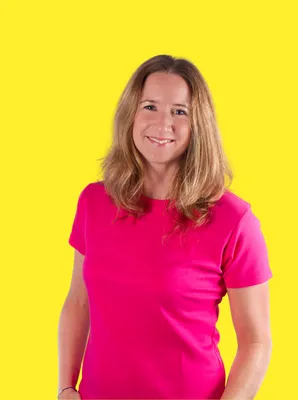
Rachel Davies
Managing Consultant | Charities
Rachel Davies is a Managing Consultant at Peridot's Not for Profit Practice known for her client-focused approach and passion for people development. She holds a BSc and MSc in Sport & Exercise Science. Her career began as a Performance Lifestyle Adviser with the English Institute of Sport, advising elite athletes on career transitions. She later served as Head of Careers at a private school.
For seven years, Rachel ran a successful baby and toddler swimming business, managing HR, finance, and delivery. In 2018, she earned the 'Working Mums Franchisee of the Year' award. Her diverse experience brings a unique, holistic perspective to recruitment work.
At Peridot, Rachel has delivered executive and board-level placements for various organizations. She enjoys open-water swimming, cycling, and synchronized swimming, often combining travel with international competitions.
Related articles

5 steps to improved self-care in our busy working lives
Read further
National Inclusion Week: The Power of Now
Read further
Foster Care Fortnight 2025: The Power of Relationships
Read further
Five reasons to show the salary in job adverts
Read further
How inclusion drives Hopwood Hall College
Read further
Disability Pride Month: from diagnosis to thriving at work
Read further
The value of supporting kinship carers and foster carers in your workforce
Read further
Foster Care Fortnight 2024 – #FosteringMoments
Read further
Attracting talent from across the generations
Read further
Peridot Partners become a Fostering Friendly employer
Read further
Embracing the journey: thriving as a foster carer
Read further