Five tips for non-executive director recruitment
Six practical steps to non-executive director recruitment to find skilled, values-led people for your education and awarding boards.
Drew Richardson-Walsh shares his top tips for recruiting brilliant leaders at the non-executive board level.
Five practical ways to strengthen your non-executive recruitment.
Recruiting the right people to your board takes time, thought and commitment.
Since 2017, we’ve supported schools, colleges and universities in appointing charity trustees and non-executive board members.
Strong governance shapes strategic direction, holds leadership to account and helps organisations stay focused on the people they serve.
We believe non-executive appointments are equally as important as executive appointments. Leadership starts at the top, and that’s where we can have maximum impact on the long-term success of an organisation.
Governor recruitment isn’t always straightforward. Some roles attract a flood of applications, while others require weeks of outreach and careful mapping to uncover the right mix of skills, lived experience and cultural alignment.
That’s why we recommend setting aside at least five weeks for a structured search. This gives enough time to carry out detailed research, map the landscape and build a targeted list of people and organisations to approach.
We research and approach individuals who align closely with the brief, bringing the right mix of experience, skills and cultural understanding.
We’ve learned a lot about what works well when appointing non-executive directors who bring both value and commitment to the board:
Five practical ways to approach your non-executive director recruitment.
1. Define what your board needs for the future.
Start with a fresh look at your board’s composition. Go beyond the usual skills audit and ask whether your analysis reflects your current strategy and future direction.
Avoid relying on outdated role descriptions or templates. Instead, use this moment to come together as a board to think about the perspectives, experience and insight you need to achieve your goals.
2. Design a fair and thorough recruitment process.
Approach board recruitment with the same rigour you’d expect for any senior appointment.
Plan a clear process for shortlisting, interviews and assessments. Experienced candidates will expect more than an informal chat or a quick call with the Chair.
Delegate responsibility to a committee or task-and-finish group to oversee a professional process that includes due diligence.
Ensure a transparent and competitive process that attracts candidates with the experience to support and challenge the executive team.
Also consider how your board reflects the communities you serve, and find structured ways to ensure those voices are heard.
3. Be proactive and use your networks.
Your knowledge of the region is often the best starting point. You’ll know which employers, community leaders and organisations have influence or reach in your area.
If time allows, carry out a simple mapping exercise. Build a list of key contacts and share your vacancy with them. Let them know the kind of person you’re looking to connect with and ask them to share it with others.
Some contacts may not be in a position to help, but broadening your reach increases the chances of meaningful conversations.
However, do not rely solely on your networks. Recruiting from the same pool of candidates is one way to ensure you replace like for like, which doesn’t encourage diverse points of view.
4. Tell a clear and honest story about your organisation.
Be clear about who you are, what you do and where you’re going. Then tell them how you’ll get there by linking your recruitment messaging to your organisational strategy. Be specific about your purpose and the communities you serve.
This becomes even more important when recruiting for roles such as Chair or Committee Chairs in areas like audit or finance, as candidates with deep professional expertise will want to understand the detail behind the ambition.
Include your most recent annual report and financial statements. Be prepared to discuss the numbers openly, especially when facing challenges. A straightforward conversation at this stage builds confidence and trust.
5. Respect every candidate and keep them connected.
Every candidate who applies is showing a genuine interest in your work. Whether or not they’re appointed, they should leave the process feeling acknowledged and valued.
Stay open to future involvement. If someone isn’t quite right for the board, consider whether they could contribute in other ways. Roles like strategic advisor, committee member, mentor or associate board member can help you build connections and support long-term succession planning.
Offer feedback, and where possible, maintain the relationship. People who’ve had a positive experience are more likely to stay engaged and become ambassadors for your work.
Consider working with a recruitment partner who understands the role
Running a full recruitment process takes time, focus and specialist knowledge. Many organisations turn to agencies after struggling to attract the right candidates through advertising or their networks alone.
If you choose to work with a partner, make sure they understand the responsibilities of non-executive roles and take governance seriously. A good agency will lead a structured search, speak directly with people and present candidates who align with your brief.
You should expect clear communication, a realistic timeline and evidence that they’ve done the work. If you’re investing in support, it should bring confidence and clarity to the process, rather than just adding more administration.
Finding the right non-executive directors is worth the investment.
Since 2017, we’ve supported a wide range of organisations across the education and skills sectors to appoint experienced, committed board members who bring real value to their roles.
Clients often tell us how important it was to have the right people around the table, and candidates appreciate the approach and professional stewardship throughout the process.
A strong, strategic board helps steer your organisation through both opportunity and challenge.
If you’re thinking about board recruitment, we’re always happy to have a conversation.
Read about our Education Practice and contact Drew at education@peridotpartners.co.uk
Category:Board Recruitment & Development

Drew Richardson
Peridot Partners
Related articles

Chairing the course to success: first-hand advice for new FE Chairs
Read further
How chairs and chief executives navigate challenge together
Read further
What is values-based recruitment and how does it lead to better hires?
Read further
What makes an effective MAT trustee?
Read further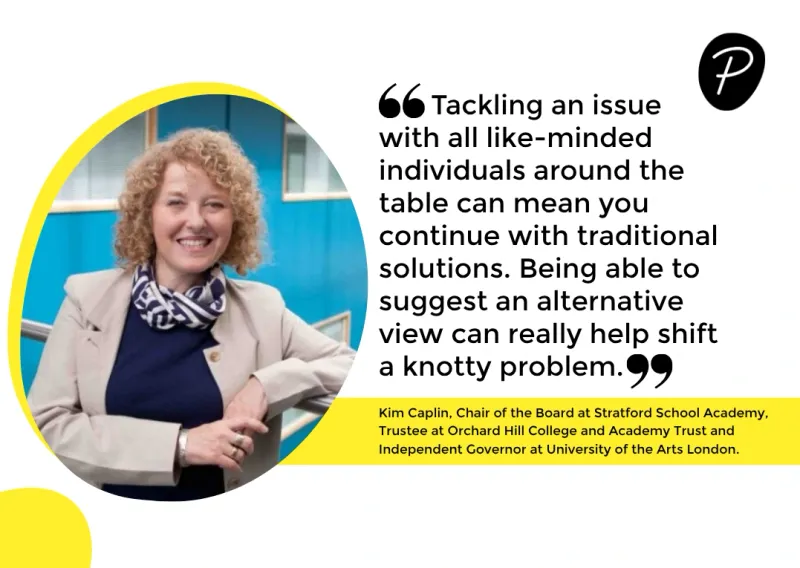
Why cross-sector board appointments strengthen governance: Insights from Kim Caplin’s journey
Read further
I’m thinking about becoming a Further Education Governor – what do I need to know?
Read further
Top 10 tips for hosting governor and trustee interview panels
Read further
Enhancing board recruitment through being a trustee of a local academy trust
Read further
Be prepared: application and interview tips for aspiring CEOs
Read further
How to chair a board well: what effective boards and chairs do differently
Read further
Strengthening boards with our trustee recruitment partnership
Read further