
How to attract the best charity trustees
Want to attract the best charity trustees? Make your board roles clearer, more inclusive, and genuinely worth someone’s time.
Being a trustee takes time and dedication
Being a trustee is a serious commitment. I’ve done it four times, and I’d do it again. But only for the right cause.
After several years in each role, I often step aside to make room for new voices and ideas. Reflecting on what it would take for me to take on a new trustee position got me thinking about how you can attract the best trustees to your board.
Like many professionals balancing work, family and other commitments, I must be selective. Your offer has to stand out.
I want to know why your charity deserves my time and how I’ll make a difference. I only take on projects I enjoy, where I can have a clear impact. And more people think this way than you might expect.
Why dedicate time and effort to recruiting trustees?
Most ads for charity trustees are underwhelming and bland. While this is still better than recruiting within your existing networks, this uninspired approach is unlikely to get many people interested.
You’re competing for the attention of often time-poor people and asking them to give a lot of time for free, so you need to do more than tick a box.
The way you recruit trustees says a lot about your charity. Does a lazy advert suggest you take governance or your trustee board seriously? If you can’t put effort into finding the people who will steer your strategy, what does that say about your ambition or direction?
Trustees set the tone, shape the future and support your leadership team to achieve. If you want people who take that responsibility seriously, show them you do too.
Good recruitment is part of good governance. It deserves the same energy as hiring a CEO or launching a campaign. Are you clear about the expectations of commitment and behaviours? Do new trustees get proper onboarding? What development and support do you offer?
Investing in your board to attract the best trustees
When I think back on my time as a trustee, I ask myself: was it worth it? Did I grow? Did I make a difference?
Anybody who is serious about making an impact, while balancing life’s other commitments, will consider this too.
To attract the best trustees, you need to show that the experience will be rewarding, not just in terms of impact but also in terms of development.
Do you invest in your board? Do trustees get access to training, learning, or the chance to lead new work? Are trustees encouraged to challenge thinking and bring new ideas? Is the board culture open, inclusive and focused on learning, not just oversight? Is there an opportunity to build meaningful relationships with fellow trustees?
These details signal that your board welcomes ideas, supports growth, and values every contribution. They’re central to how you present your board role to potential trustees, and how seriously people will take it.
Five things to think about to attract the best charity trustees
Experienced trustees bring more than attendance. They contribute to sub-committees, act as ambassadors, offer guidance to staff and provide strategic input between meetings.
But to secure that level of commitment, you need to offer a compelling reason—one that makes the time investment feel worthwhile.
To attract the best board members, craft your communications and invitations around a few key points:
Personal impact = motivation.
What will my specific role be, and how can I use my skills to add value to the charity’s strategy or operations?
Be clear about the contribution you’re looking for. People want to apply their expertise, not just sit at the table. Show how their professional knowledge, lived experience, or networks could directly strengthen your mission.
Team work = fun and greater impact
How will the board as a whole support the charity to achieve its objectives over the next 3-5 years?
Outline your direction of travel. Trustees want to know they’re joining a purposeful, forward-looking team. If they understand the shared goal, they’re more likely to commit and stay engaged.
Growth = return on time invested
What support or development will I get as part of the board?
Even experienced trustees want to stretch their thinking, build new skills, or explore leadership beyond their day job. Mention any training, peer learning, or structured support you offer. This signals that you value continuous development, not just attendance.
Culture = meaningful engagement
What’s it like to be part of your board? Are challenge and new ideas genuinely welcome?
Trustees don’t want to just rubber-stamp decisions. Make it clear your board values strategic thinking, healthy debate, and fresh perspectives. Outline how you create space for inclusive, generative conversations that evolve beyond reporting and risk.
Storytelling = emotional connection
What do current trustees say about the experience? What makes it fulfilling for them?
Quotes, short anecdotes or reflections from your board members help people imagine themselves in the role. We often recommend that prospective board members attend a meeting to have the opportunity to speak to other trustees. This allows for better connections as existing trustees can share what makes them proud to serve.
Category:Board Recruitment & Development

Written by
Grant Taylor
Chief Executive & Founder
Grant Taylor is the Founder and CEO of Peridot Partners. He leads the growth and development of a team of over 50 professionals across the UK. A seasoned recruitment expert with over 25 years' experience working in executive search with purpose-driven organisations, he is driven to help strengthen society's leadership.
Grant has experience in four trustee roles, as Co-Chair at Getting on Board and as a Trustee with the Tavistock Institute of Human Relations, Working Families and the Evelina Children's Heart Organisation. His passion for working with boards has also seen him appoint hundreds of trustees and non-executive directors and deliver board reviews, skills audits and governance consulting for Peridot's clients.
Grant has a personal interest in advocating for and supporting the growth of women's football, currently coaching girls between the ages of 11 and 15 and leading a team in the Junior Premier League.
Friendly, focused, and driven by purpose, Grant is committed to building impactful, values-driven leadership and boards in the organisations he partners with.
Related articles

Why cognitive diversity on boards leads to better decisions
Read further
Who has the time to be a trustee?
Read further
Lived experience isn’t an optional add-on
Read further
How chairs and chief executives navigate challenge together
Read further
How to chair a board well: what effective boards and chairs do differently
Read further
What is values-based recruitment and how does it lead to better hires?
Read further
What makes an effective MAT trustee?
Read further
Strengthening boards with our trustee recruitment partnership
Read further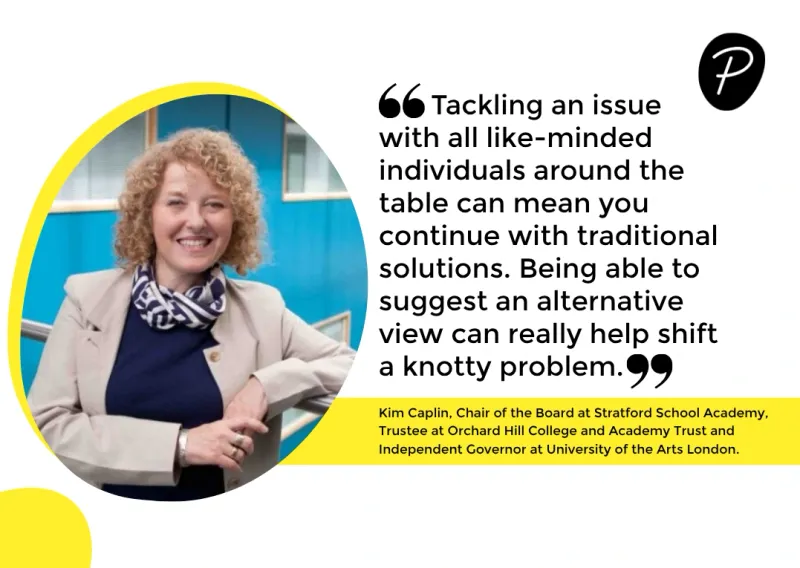
Why cross-sector board appointments strengthen governance: Insights from Kim Caplin’s journey
Read further
Unlocking the power of Development Boards
Read further
I’m thinking about becoming a Further Education Governor – what do I need to know?
Read further