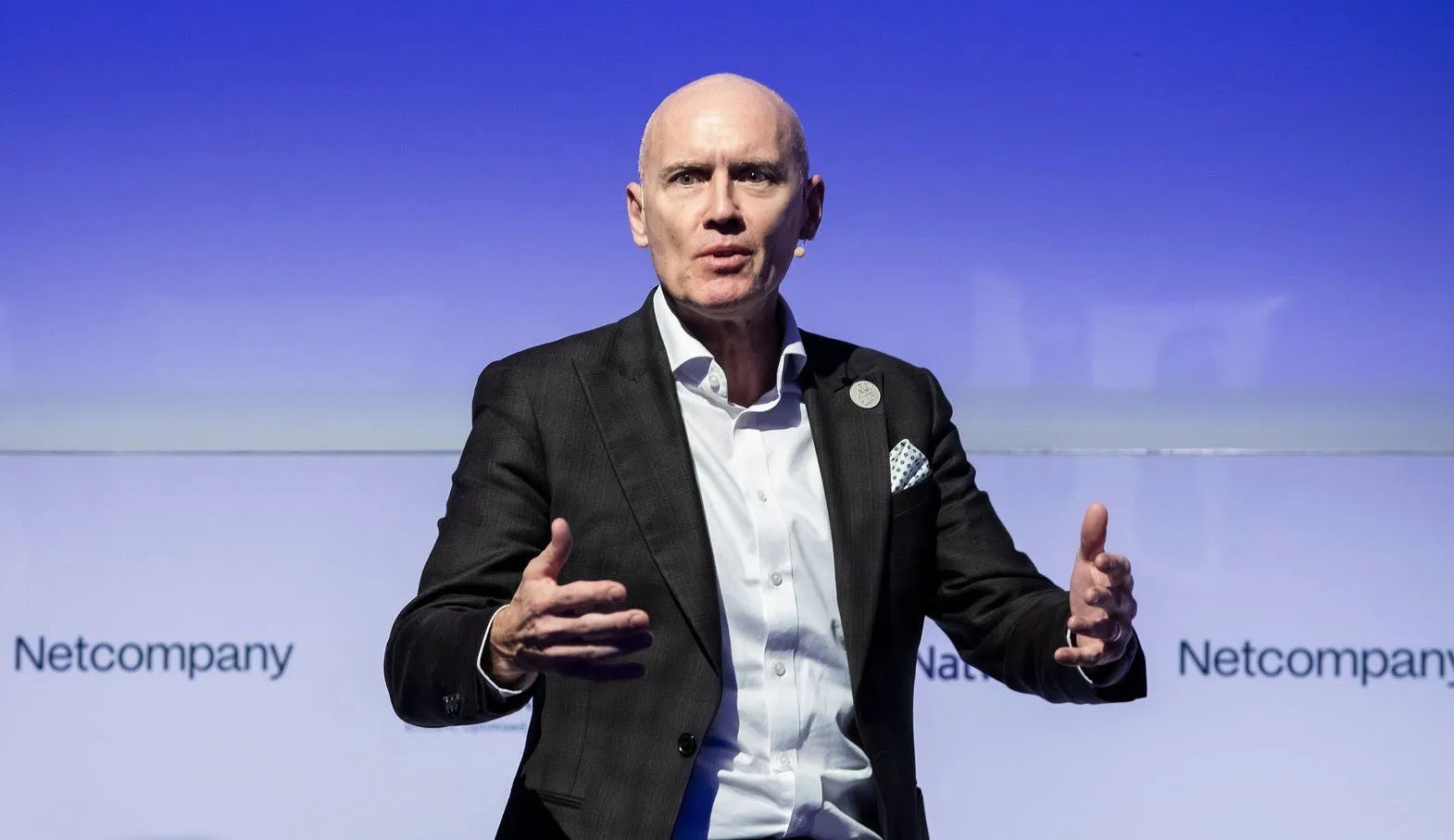
How established membership organisations adapt to change
Explore how CIOE&IT approached organisational change, member engagement and growth while adapting to changing member needs.
We often support membership organisations with ambitious growth plans and well-established identities. For organisations with long histories, leadership also has to consider whether the organisation continues to meet members’ needs as expectations around professional support, representation and member value change. Questions also emerge around whether existing structures and ways of working still support the organisation’s wider strategy and long-term ambitions.
Since joining The Chartered Institute of Export and International Trade (CIOE&IT) in 2020, Marco Forgione MCIEx has led the organisation through significant change while continuing to focus on its role for members and the wider trade community.
James Hunt sat down with him to understand how CIOE&IT has approached growth, change and reinvention in recent years and what other membership organisations might recognise in these changes.
Responding to change and member needs
When Marco joined CIOE&IT in 2020, the organisation was already responding to significant change. Brexit had reshaped the trade environment, members needed increasing levels of practical support, and then Covid accelerated the pace of change even further.
Periods like this can place pressure on organisations to focus on maintaining what already exists. For membership bodies, there can also be difficult decisions around where time, investment and attention should go.
As Marco reflected, the focus remained on ensuring the organisation was “doing our utmost to serve the needs of members, the wider business community and promote the benefits of international trade.”
This focus helped guide the organisation’s response: learning moved online quickly, advisory services expanded, and CIOE&IT increased its engagement with government and policy discussions. These changes were connected to a broader shift in how the Institute supported members and contributed to the wider trade community.
The award of a Royal Charter in 2023 recognised the Institute’s contribution while also reinforcing its role, extending beyond membership to wider public benefit.
Expanding support and influence
Recent developments at CIOE&IT have involved more than increasing membership numbers or extending services. The organisation has also broadened how it supports members and contributes to wider conversations around trade.
Alongside growth in its membership base, the Institute has increased its engagement with government, global partners and policy discussions. Members increasingly expect organisations to provide practical support, represent their interests and create opportunities to learn from peers and wider networks, while bringing practitioner insight into national and international conversations.
Alongside this, the Institute has continued developing services designed around current challenges facing members through advisory support, training and spaces for connection and shared learning.
For CIOE&IT, growth has involved expanding its role in ways that are more closely connected to members’ experiences and the wider challenges facing the trade community.
Keeping members central
We often see organisations invest heavily in new services, systems and structures, but lose sight of the experience of the people they exist for.
What stands out in CIOE&IT’s approach is the continued focus on engagement and participation. Members have been considered as an active part of the organisation rather than a group simply receiving services from it. We see this in the emphasis on knowledge sharing, peer connections and opportunities for members to engage in wider conversations across the sector.
Many membership organisations are also seeing broader changes in what members value. Access to services still matters, but people increasingly expect opportunities to connect with expertise, networks and shared experiences.
For leadership teams, this places greater importance on listening closely and creating ways for members to influence how organisations continue to develop.
Balancing history and change
CIOE&IT recently marked its 90th anniversary, reflecting a long history of supporting and professionalising international trade and building relationships across sectors and geographies.
For organisations with that kind of history, change can bring a different set of considerations. Long-standing approaches often exist for good reasons, and deciding what to preserve and what to adapt is not always straightforward.
Legacy can become something organisations feel they need to protect. It can also be a platform to build from, rather than something that limits change.
The move to chartership, the expansion of services and the organisation’s wider development show that CIOE&IT continue responding to changing needs while building on what already exists.
For membership organisations, there can be a constant balancing act between protecting what members value and continuing to develop in response to changing expectations.
The changing role of membership organisations
Global trade continues to shift quickly, with political and economic pressures affecting organisations, supply chains and the wider business environment. Members increasingly need practical support, access to expertise and organisations that can help them understand what those changes mean in real terms.
That creates wider expectations for membership bodies. Alongside services and professional development, there is often a growing need for organisations to represent members’ interests, contribute to wider conversations and help people navigate uncertainty in their sectors.
CIOE&IT’s recent development reflects some of these changing expectations. Growth, service development and external engagement all appear connected to a broader role within the trade community and the support members increasingly expect.
For membership organisations, there is an ongoing question underneath much of this work: how do you continue adapting while staying connected to the people you exist to support?
Category:Awarding organisations, membership & skills

Written by
James Hunt
Director | Membership & Development
James Hunt is a senior executive search specialist with over two decades of experience connecting exceptional leaders with purpose-driven organisations. As Head of Not for Profit Appointments at Peridot Partners, he has led 300 specialist, senior and board-level searches across the UK's charity, membership and higher-education sectors.
His portfolio spans appointments for organisations as wide-ranging as the Chartered Insurance Institute, Stonewall, University of London, IOSH and Migrant Help. James is trusted for his insight, rigour and empathy when working with boards navigating complexity or transition.
Inclusive recruitment is central to his approach. As a proud member of the LGBTQ+ community, neurodivergent and an immigrant who has made the UK home, James draws on lived experience to embed fairness and belonging into every search. He is a Trustee and sits on two Committees of a large charity, and is a member of Peridot's EDI, L&D and People Committees. He actively challenges assumptions, opens space for underrepresented voices and builds transparent, psychologically safe recruitment journeys.
James believes that great leadership is grounded in vulnerability, creativity and empathy. These values shape his work with candidates and clients alike, helping to build long-term relationships and leadership teams that reflect the societies they serve.
Related articles

Transformative leadership in membership organisations: embracing change, diversity and agility
Read further
Women in Leadership: Sarah Campbell
Read further
Women in Leadership: Cait Allen
Read further
Leading the Science Council to be a truly influential voice in the science community as Chief Executive
Read further
An interview with Crys Whitewoods, Director of Giving at London Business School
Read further
What AAO readiness really means for leadership and governance
Read further
What is a ‘reasonable’ adjustment in high-stakes assessment?
Read further
How to strengthen governance in awarding organisations
Read further
EPAO to AAO: Preparing for the apprenticeship assessment reform
Read further
How cross-sector trustees strengthen awarding organisations
Read further
Ofqual governance principles and what AO boards need to know
Read further