
Gordon Morrison on leading with purpose as he reflects on his time at ACE
Gordon Morrison shares his purpose-led leadership lessons from his time at ACE, offering insights for leaders in the culture sector.
Purpose-led leadership in the culture sector
In 2023, Peridot Partners supported the Association for Cultural Enterprises (ACE) in recruiting their next Chief Executive. After two years in post, Gordon Morrison has recently moved on to become Director of Business Development at One Ren, where he’ll help lead a £100m investment in Renfrewshire’s cultural infrastructure.
At ACE, Gordon demonstrated how purpose-led leadership works in practice to make a lasting impact, offering a clear example of how cultural leaders can drive meaningful progress.
We caught up with Gordon at the Museums + Heritage Show and asked him to reflect on his time at ACE, the challenges of cultural leadership, and his top tips for delivering purpose-led change in the sector.
What are you most proud of achieving as CEO of ACE?
I’m proud that we’ve transformed the Association into something the sector can truly rely on, not just a membership body, but a trusted partner. We’ve made collaboration central to what we do, bringing venues and suppliers together to strengthen partnerships in the cultural sector and elevate everyone’s work.
The supply chain isn’t just transactional anymore; it’s part of the wider conversation. That shift has created more value for members and positioned ACE as a business-critical resource.
We’re also more agile. We listen and respond quickly to our members’ needs. Our monthly barometer, based on real-time feedback, helps us stay relevant. We’re constantly adapting to stay relevant in today’s culture sector, and I think we’re now close to being an essential commercial partner for many.
What were some of the biggest challenges you faced as the new CEO, and how did you navigate them?
People are often surprised to hear that ACE operates with just 6.8 FTE staff — we’re a small team with a big footprint. The key has been having absolute clarity of vision: we’re here to help cultural organisations generate income through a strong commercial strategy for cultural organisations. Every activity must support that goal.
We’ve built a team that fully understands and believes in that mission. We’ve broken down silos by changing how we communicate, which is a common challenge for arts and cultural sector leaders and no easy feat in a remote-working environment. We shifted from narrow, team-by-team updates to collaborative, forward-looking planning sessions.
Everyone knows what they’re working towards, and feedback is not just welcomed, it’s embedded. That structured, constructive feedback culture has transformed how we operate.
How has the cultural and commercial landscape changed during your time in the role?
Since 2019, the sector has weathered crisis after crisis from the pandemic to growing financial pressures. But a positive outcome is that we’ve become more resilient, commercially minded, and innovative; the cultural sector is evolving.
There’s still work to do, but ‘commercial’ is no longer a dirty word. We’ve been strong advocates for embracing commercial strategy as a force for good. Look at Hampshire Cultural Trust, they’re proudly commercial and it complements their mission.
Right now, around 40% of income in the cultural sector is self-generated; that’s more than what comes from grants or philanthropy. The shift is real, and it’s essential for long-term sustainability.
Were there any unexpected lessons or moments that reshaped your approach?
I realised just how critical it is to listen to your team, your members, and your partners. Structured feedback and regular, open dialogue have helped shape the organisation. It’s not just about being available, it’s about being curious and genuinely open to learning.
How did you build relationships with members and stakeholders in the culture sector?
It starts with truly listening. We don’t make assumptions, we ask, “What do you need?” and then figure out how we can help. And if we can’t? We’re honest about that too.
That approach helped us deliver meaningful initiatives, such as free job advertising for members or bespoke sponsorship packages for partners. These relationships go beyond financial value; they’re built on trust, relevance, and shared goals.
What advice would you give to someone taking on a leadership role in the culture sector?
First, believe in the mission. Don’t take on a leadership role unless you’re fully aligned with the organisation’s vision. If you’re in, you have to be all in.
Then focus on openness with your board, your team, and your members. I put my email on everything so people can get in touch directly. You learn a huge amount from those conversations.
And don’t forget your team. Ensure that everyone is clear about their responsibilities and has the opportunity to discuss progress during regular reviews. You can’t assume this will happen on its own as it takes intentional time and care.
In this sector, leadership is collaborative. Your values need to be more than statements, and they should guide how you show up every day.
Category:Arts, Heritage & Culture
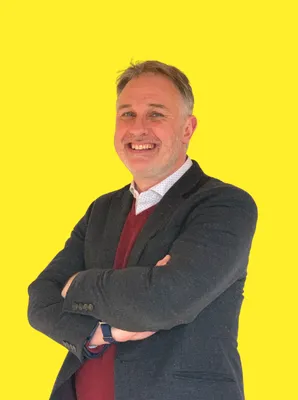
Written by
David Hingley
Head of Arts, Heritage & Culture
David Hingley passionately believes that 'people make places'. He began his career in retail as a Store Manager at Marks and Spencer before moving to senior roles at complex cultural organisations, including Historic Royal Palaces, The Landmark Trust and Tate. In his recent role as a Senior Consultant at BOP Consulting, David has supported strategic projects across the sector, helping organisations drive meaningful change.
David is a passionate advocate for developing and leading values-led teams. He has a track record of successfully recruiting teams, supporting organisational change programmes, and delivering complex projects. He knows first-hand the difference inspiring and thoughtful leadership can make.
Past achievements include overseeing the customer service aspects of the 2014 'Poppies' installation at the Tower of London, managing the delivery of the 2012 Olympic cycling time trial at Hampton Court Palace, and delivering the accessible queue for the lying-in-state of Her Royal Highness Queen Elizabeth II, for which he received the British Empire Medal.
Outside work, David is a Trustee of both Painshill Park Trust and the Museum of the Broads. This gives him valuable insight into governance structures and the challenges of managing historic Georgian Landscapes and vintage steamboats.
He is a keen hiker, avid reader and passable runner who spends much of his downtime pandering to the needs of his incredibly demanding dog, Milo.
David holds a Master's in Heritage Management from Birmingham University, a Bachelor's in History from the University of Wales, Swansea, and a smartphone overloaded with pictures of great days out.
Related articles

David Hingley appointed as Head of Arts, Heritage and Culture at Peridot Partners
Read further
Chairs in Conversation: Chris Loughran, Chair at Beamish
Read further
Inclusive governance within the arts, heritage and culture sectors
Read further
How to hire for culture add, not just culture fit
Read further
Five reasons to show the salary in job adverts
Read further
What boards are really looking for when they ask about leading change
Read further
Why now is the right time to join Durham University as Head of Principal Giving
Read further
Leadership qualities we look for in homelessness charity recruitment
Read further
What does recruitment with integrity really look like in a Multi Academy Trust?
Read further
Purpose-driven leadership: Why purpose-led organisations need something different
Read further
Why relational leadership matters more than ever
Read further